The State of Clinical Photography in Dermatology
Clinical photography in dermatology faces persistent challenges with fragmented workflows, compliance gaps, and reliance on consumer tools not designed for healthcare.
August 4, 20253 min read
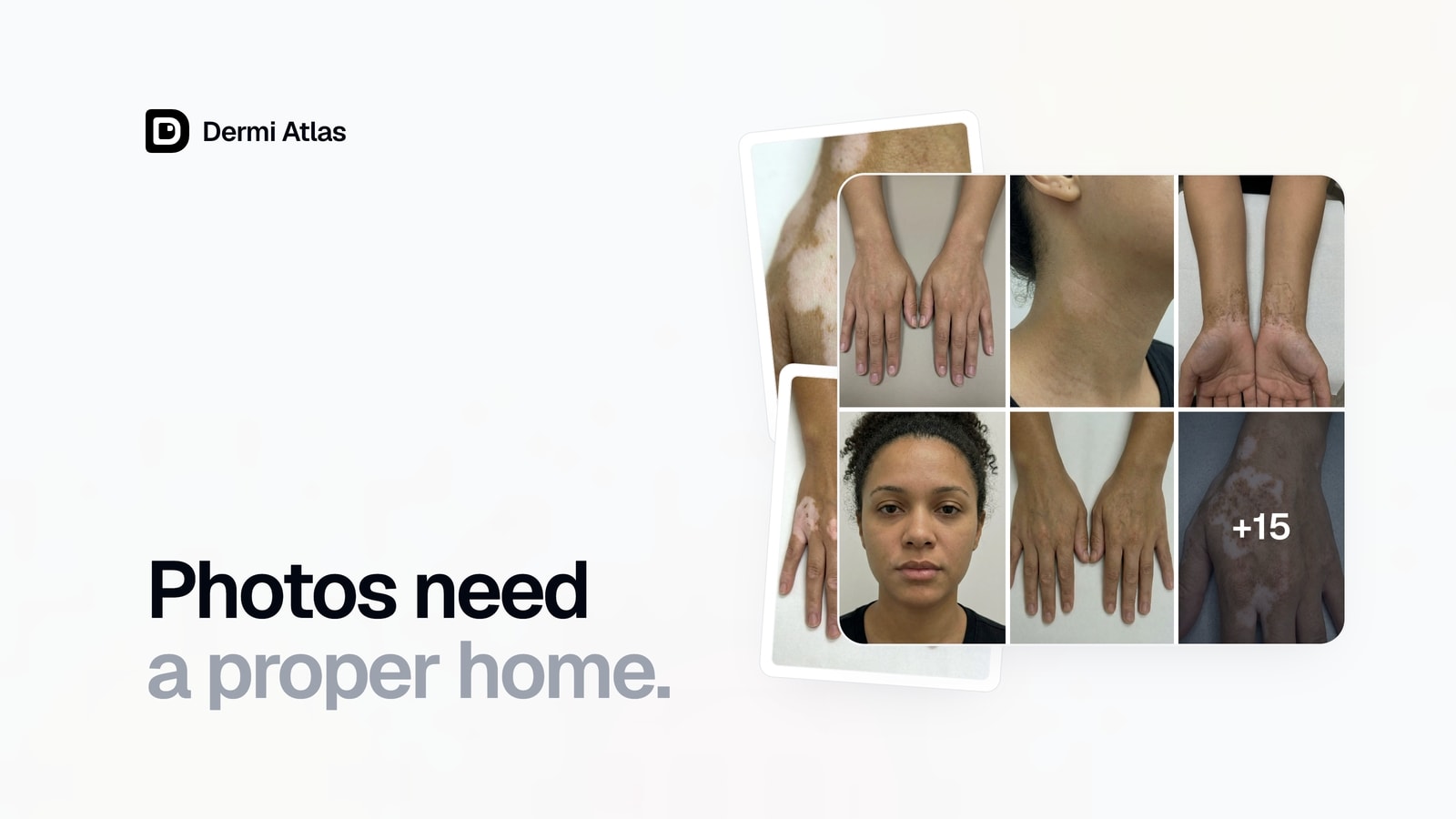
Clinical photography is one of the most frequently used tools in dermatological practice, yet it remains one of the least standardized. Despite its importance to diagnosis, treatment planning, and patient communication, clinical photography workflows vary widely across practices and often rely on tools that were never designed for healthcare use.
The Current Landscape
In many dermatology practices, clinical photography follows a common pattern: images are captured on personal smartphones or tablets, temporarily stored in the device's camera roll, and eventually transferred to a shared drive, EHR system, or cloud storage service. Some practices use dedicated cameras, adding another step to the workflow as images must be manually transferred and organized.
Each step in this chain introduces risk. Personal devices mix clinical and personal photos. Consumer cloud services may not meet healthcare data protection requirements. Manual file transfers create gaps in documentation. Without a unified system, there is no consistent audit trail of who accessed which images and when.
Common Approaches and Their Limitations
Several approaches are commonly used for clinical photography in dermatology, each with notable limitations:
Smartphone camera apps are convenient but offer no separation between personal and clinical images, no audit logging, no structured organization by patient or visit, and no built-in consent management.
Generic cloud storage (Google Drive, Dropbox, OneDrive) provides file sharing but was not designed for healthcare data. Compliance depends on the specific plan and configuration, and patient data is stored on third-party infrastructure.
EHR-integrated photography modules exist in some systems but are often limited in functionality. Image comparison tools, batch operations, and advanced organization features are typically absent or rudimentary.
The Compliance Gap
Healthcare privacy regulations such as HIPAA and PIPEDA establish clear requirements for the handling of patient data, including clinical images. These requirements include access controls, audit logging, encryption, consent documentation, and data retention policies. Consumer tools and ad hoc workflows make it difficult to demonstrate compliance with these requirements consistently.
The gap between regulatory requirements and actual clinical photography practices represents a significant risk for healthcare organizations. An audit or data breach involving clinical images stored on personal devices or non-compliant cloud services could have serious regulatory and reputational consequences.
The Need for Purpose-Built Solutions
Clinical photography in dermatology has specific requirements that distinguish it from general-purpose photography or file management:
- Patient-centric organization with visit-based image grouping
- Image comparison capabilities for tracking changes over time
- Integrated consent management and documentation
- Audit logging for regulatory compliance
- Structured tagging and categorization for clinical use
- Secure access from multiple devices within the practice
Solutions built specifically for this workflow can address these requirements in an integrated way, rather than relying on practices to assemble and maintain a compliant system from disparate consumer tools. Dermi Atlas was designed to meet these specific needs, providing a unified platform for clinical photography that prioritizes both workflow efficiency and regulatory compliance.
Was this article helpful?
Your feedback helps improve these articles
