Why We Built Dermi Atlas
The story behind Dermi Atlas, from identifying critical gaps in clinical photography to building a platform that puts patient data sovereignty first.
July 14, 20254 min read
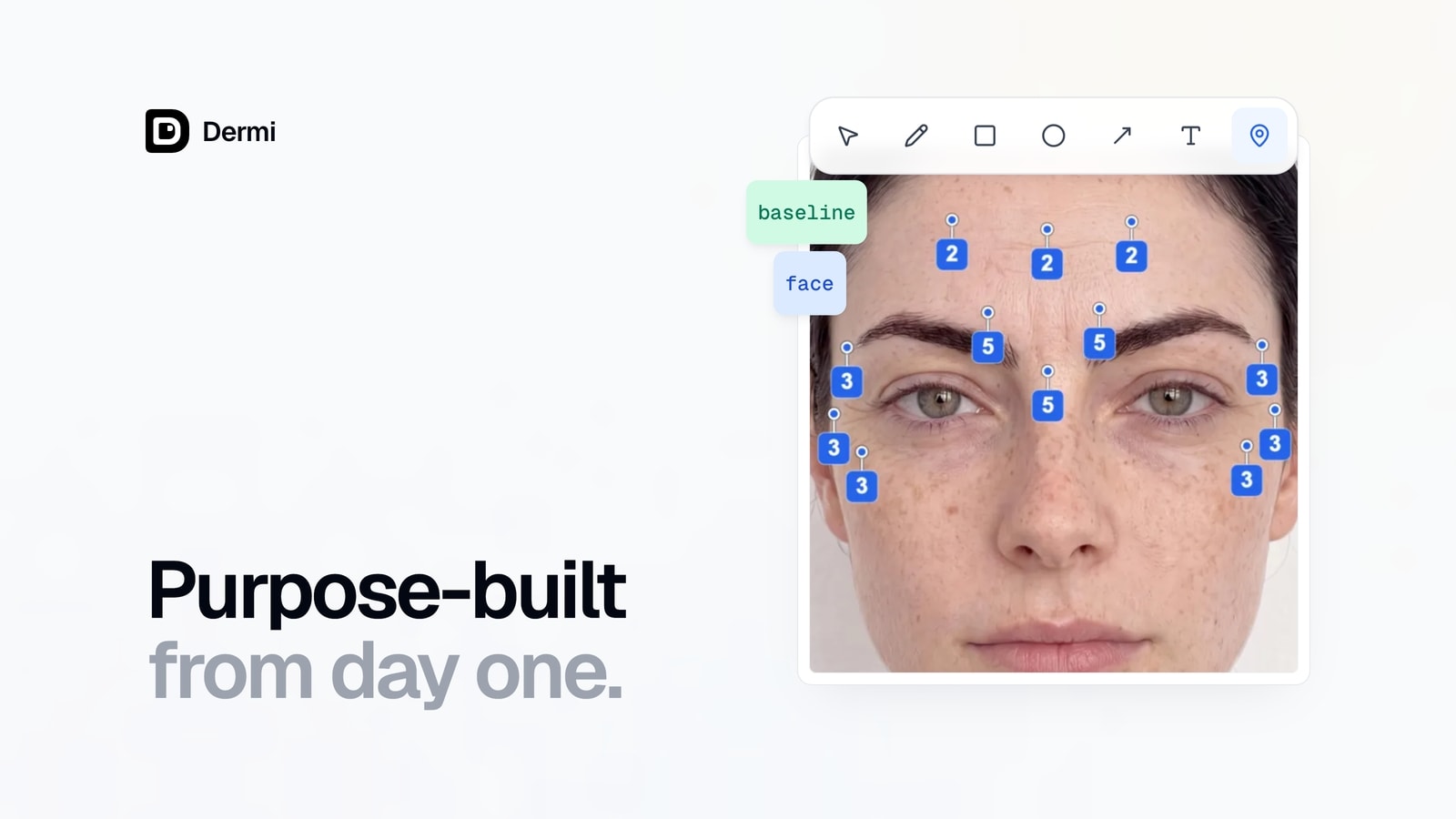
Dermi Atlas emerged from two converging realities. Years of research in dermatological image analysis had produced validated tools for segmentation, classification, and image registration, but these tools lacked the clinical infrastructure needed for practical deployment, and had not yet been integrated into any clinical product. At the same time, clinical photography in dermatology had no dedicated platform. The tools available were either built for consumers or bolted onto existing EHR systems as an afterthought. Building Dermi Atlas was a response to both of these problems.
From Research to Platform
The research that preceded Dermi Atlas spans several years and multiple peer-reviewed publications. Segmentation models for body surface area estimation, classification systems for condition analysis, and registration algorithms for image alignment were each developed and validated independently. Each addressed a real clinical need but lacked the surrounding infrastructure (patient management, image organization, audit trails, consent documentation) to be useful in practice. These research tools are not yet available in the current product but inform the platform's long-term development direction.
The full founding story, including the decision to build a dedicated platform rather than integrate into existing systems, is covered in Starting Dermi: From Research Projects to a Clinical Platform.
Identifying the Gap
In dermatology practices around the world, clinical photography follows a remarkably similar pattern. Photos are taken on smartphones, stored in camera rolls alongside personal images, and sometimes transferred to shared drives or cloud services that were never designed for protected health information. Consent documentation is handled on paper or skipped entirely. There is no consistent way to compare images over time, and audit trails are nonexistent.
This is not a niche problem. Clinical photography is fundamental to dermatological practice. It supports diagnosis, treatment planning, progress tracking, and patient communication. Yet the tools used for this critical function are often the least secure and least purpose-built components in the clinical workflow.
A Different Starting Point
Dermi Atlas was built with a specific conviction: patient imaging data should remain under the direct control of the healthcare practice that creates it. This principle shaped every architectural decision in the platform. Rather than building yet another cloud service that aggregates sensitive health data on remote servers, an on-premises model was chosen. The practice owns the data, the infrastructure, and the access controls.
This approach introduces some complexity compared to a pure SaaS model. A deployment tool was needed, which became Dermi Atlas Manager. SSL certificates had to be managed locally, so automated certificate generation and rotation were built in. Backups required a different strategy, so configurable local backup capabilities were developed.
Purpose-Built for Dermatology
Rather than building a generic imaging platform and adapting it to dermatology, Dermi Atlas was designed specifically for the clinical photography workflows that dermatology practices rely on. Image comparison tools support both split-view and overlay modes for tracking changes over time. A structured tagging system enables consistent organization of clinical images. Consent management is integrated directly into the patient workflow. PDF exports are available for clinical documentation and referrals.
Privacy as a Foundation
Privacy is not treated as a feature in Dermi Atlas; it is treated as a foundational requirement. The platform does not collect telemetry on patient data. There is no data monetization model. Patient images are not processed on external servers. The business model is straightforward: practices pay for the software, and their data remains theirs.
Looking Forward
The vision for Dermi Atlas extends beyond what is available today. The platform's architecture was designed from the beginning to support capabilities beyond basic image management, serving as a foundation for advanced clinical tools that would not integrate into clinical workflows if built as standalone applications.
Planned capabilities include advanced imaging features such as full-body mapping, automatic image alignment, and background removal. An open pipeline architecture will allow practices and research teams to integrate custom models and algorithms into the platform's processing pipeline. The long-term goal is an ecosystem where researchers focus on a single processing step rather than building an entire system; the platform provides patient management, image storage, comparison tools, and deployment infrastructure so that research can target the pipeline, not the product.
Was this article helpful?
Your feedback helps improve these articles
